

A Brief Journey Through Time
The history of gut strings is a tale interwoven with mythology, craftsmanship, and the evolution of music itself. From the plucked notes of ancient lyres to the vibrant tones of modern instruments, gut strings have been at the heart of music-making for millennia.
Origins in Mythology
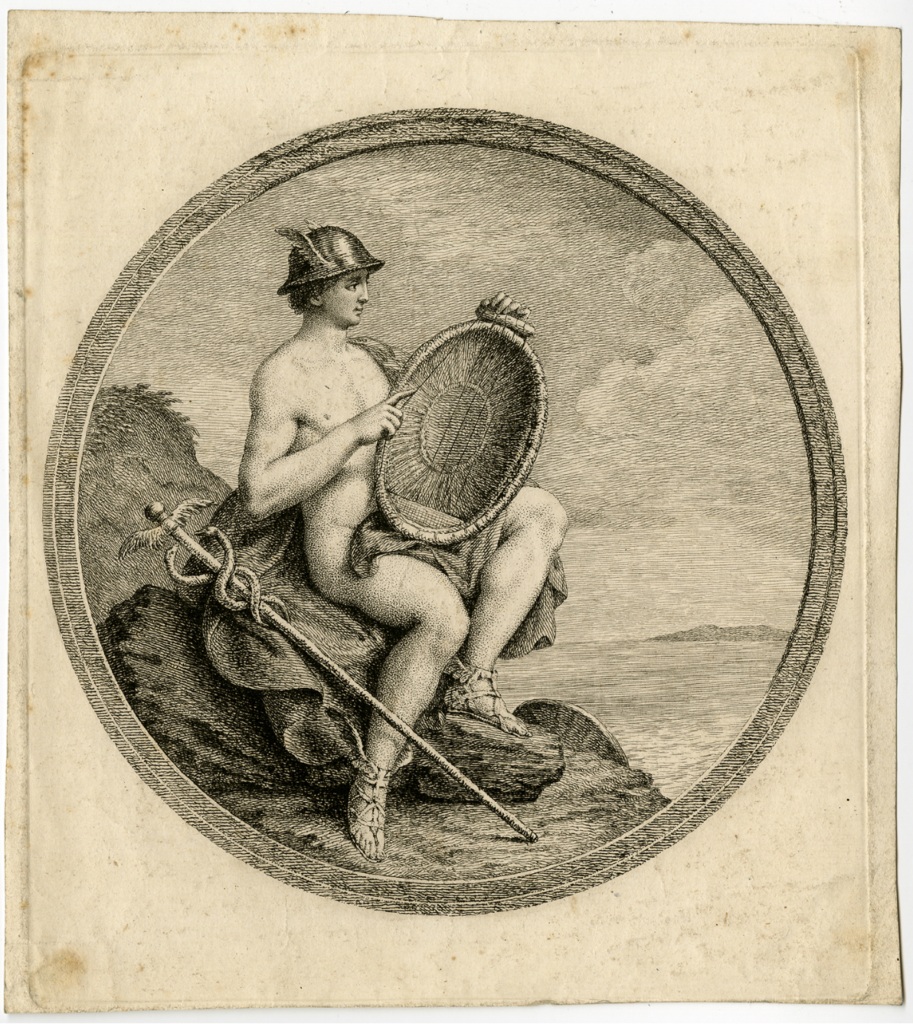
The origins of stringed instruments are often tied to the realm of mythology. In Greek mythology, Hermes is credited with creating the first lyre by stretching strings of cow gut across a tortoise shell. Legend has it that the god of communication and invention crafted this instrument as a peace offering to Apollo for stealing his cattle, who later became its most famous player. Apollo’s mastery of the lyre symbolizes harmony and order, with the gut strings serving as the medium through which celestial music was brought to the mortal realm.
Ancient Applications
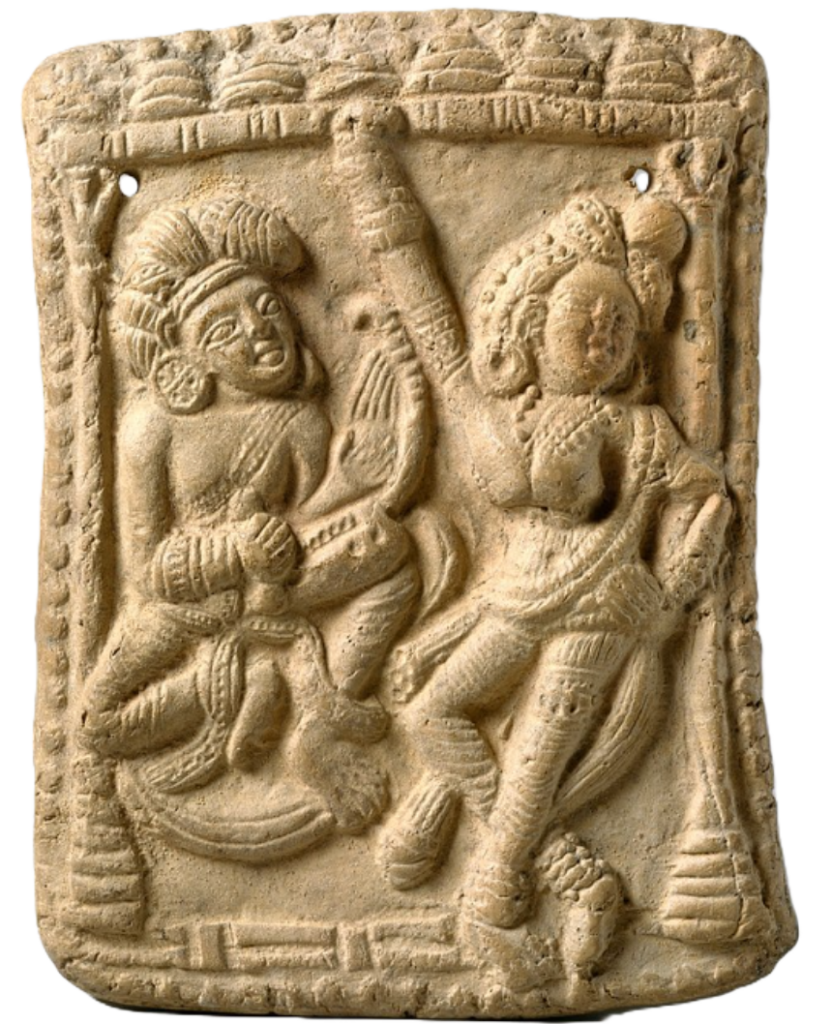
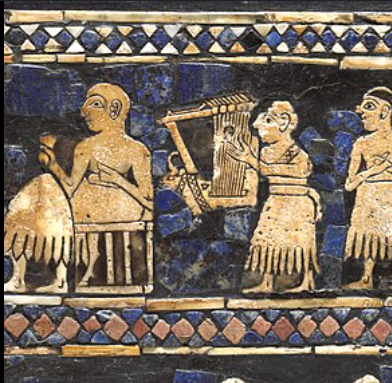
The use of gut as a material for strings dates back thousands of years. Ancient Egyptians, Greeks, and Romans utilized gut strings for musical instruments, including lyres, harps, and early versions of the lute. The material’s natural elasticity and durability made it ideal for producing a rich and resonant tone. Beyond music, gut played a critical role in other crafts, such as bowstrings for archery and sutures for medical purposes, emphasizing its versatility and importance.
The Medieval and Renaissance Eras
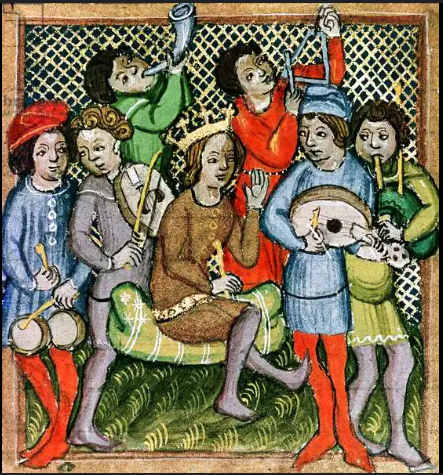
During the medieval period, the craftsmanship of gut strings advanced significantly. Artisans in Europe began to specialize in the production of strings for lutes, viols, and harps, honing techniques to achieve consistent quality. By the Renaissance, gut strings were essential for instruments in both secular and sacred music. The era’s composers and performers relied on their expressive capabilities, which allowed for dynamic ranges and nuanced performances.
The Baroque Period: Innovation and Expansion
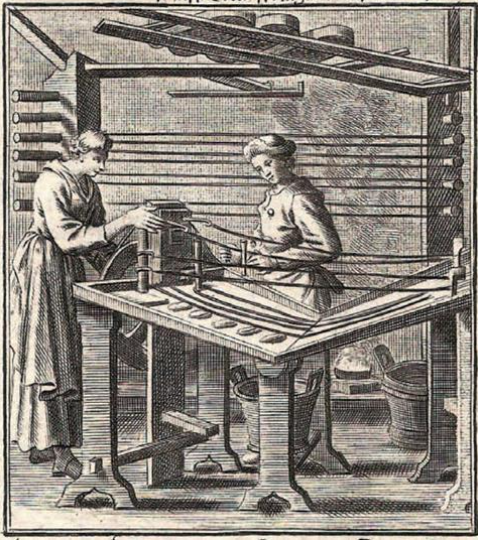
The Baroque period saw a surge in the popularity of string instruments, particularly the violin family. Gut strings were the standard, and their production became an art form. Italian string makers, renowned for their meticulous techniques, dominated the trade. The gut was often twisted and treated with oils or varnishes to enhance its longevity and tonal qualities. This era also marked the introduction of wound gut strings, where a gut core was wrapped with metal wire to produce deeper, more powerful tones—a development that expanded the capabilities of stringed instruments.
Bow Brand and the Modern Era
Fast forward to the early 20th century, Bow Brand emerged as a leader in gut string manufacturing. Established in 1915 in King’s Lynn, Norfolk, England, the company has operated from the same site for over a century. Bow Brand’s dedication to traditional methods ensures that the strings retain their historical authenticity while meeting the demands of modern musicians. Their strings, fully biodegradable and handmade by skilled craftsmen and women, reflect an enduring respect for the artistry of gut string production.
Environmental Considerations and Ethical Practices
Today, the use of gut strings involves a balance between honouring tradition and addressing contemporary concerns. Bow Brand’s commitment to sourcing gut from suppliers who uphold the highest standards of animal welfare highlights an ethical approach. The company’s director, a vegetarian, underscores the importance of using serosa as a by-product of the meat industry, ensuring no part of the animal goes to waste. This philosophy ties back to ancient practices where materials were used thoughtfully and reverently.
The story of gut strings is one of continuity and evolution, from their mythological beginnings to their role in shaping the music of today. They are more than mere components of an instrument; they are vessels of history, culture, and craftsmanship. Whether echoing through the halls of ancient temples or resonating in modern concert venues, gut strings continue to bridge the past and present, offering musicians and listeners a timeless connection to the art of sound.